Bosch Built Its First Hub Motor: 9 New E-Bikes Using Hub Line
Bosch's first rear-hub motor is appearing on nine new EU e-bikes from eight brands. The 45 Nm Hub Line now sits inside lightweight commuters, city bikes, a folding bike and trekking-style models from Scott, Canyon, Moustache, Cube, Gazelle, VELLO, KTM and Trek.
Indexed September 2026 · Specifications are manufacturer claims.
9 bikes · swipe →
9 models from 8 brands are indexed in the EU dataset, ranging in price from €1,999 to €3,290.
Bosch built its e-bike reputation around mid-drive motors. In June 2026 it introduced Hub Line, its first rear-hub motor in the smart system, developed specifically for urban e-bikes. The first wave is now appearing across new 2026 and 2027 ranges from established brands. This Velo Index Discover page showcases nine EU models from eight brands, showing how the same 45 Nm Bosch motor is being used across lightweight commuters, city bikes, a folding bike and more fully equipped trekking-style designs.
Bosch enters the hub-motor market
Bosch introduced Hub Line in June 2026 as its first hub motor in the smart system. Instead of sitting between the cranks like Bosch's established mid-drive units, the motor is integrated into the rear wheel hub and was developed specifically for urban e-bikes.
Bosch rates Hub Line at 45 Nm and about 2.3 kg. On EU-spec bikes, assistance ends at 25 km/h and the motor fully decouples above that speed. Bosch says the bike can then be pedalled with virtually no additional resistance. The company highlights city starts and moderate inclines rather than positioning Hub Line as a substitute for its higher-torque mid-drive systems.
The launch is also about packaging. Bosch introduced the compact PowerTube 360 battery alongside Hub Line and describes the combination as a way to enable slimmer, lighter urban e-bikes. Because Hub Line is part of the Bosch smart system, bike makers can pair the rear-hub architecture with the eBike Flow app, navigation, over-the-air updates and compatible connected security features.
Nine new Bosch Hub Line e-bikes on Velo Index
The models on this page showcase nine EU bikes from eight brands using Hub Line. Several of those brands have also built wider model families around the same motor, so the examples below show both the featured bike and the broader range where relevant.
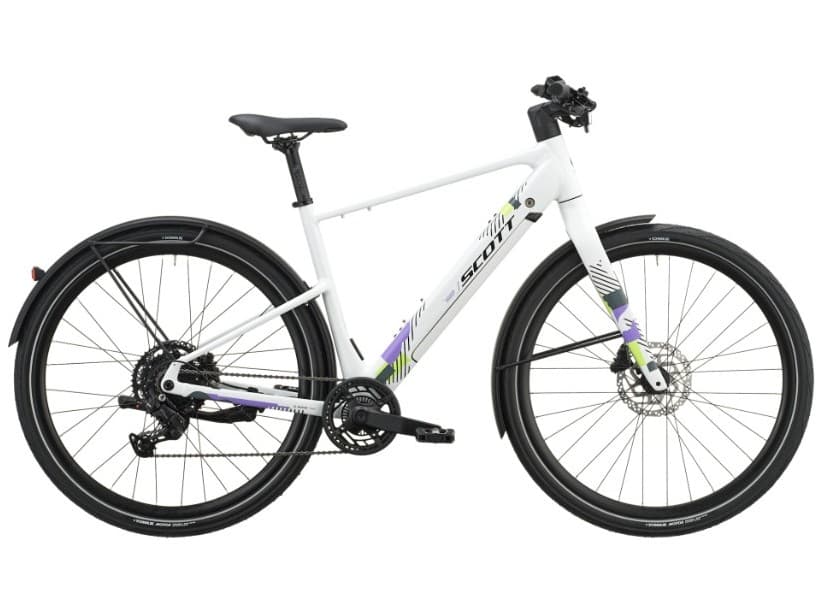
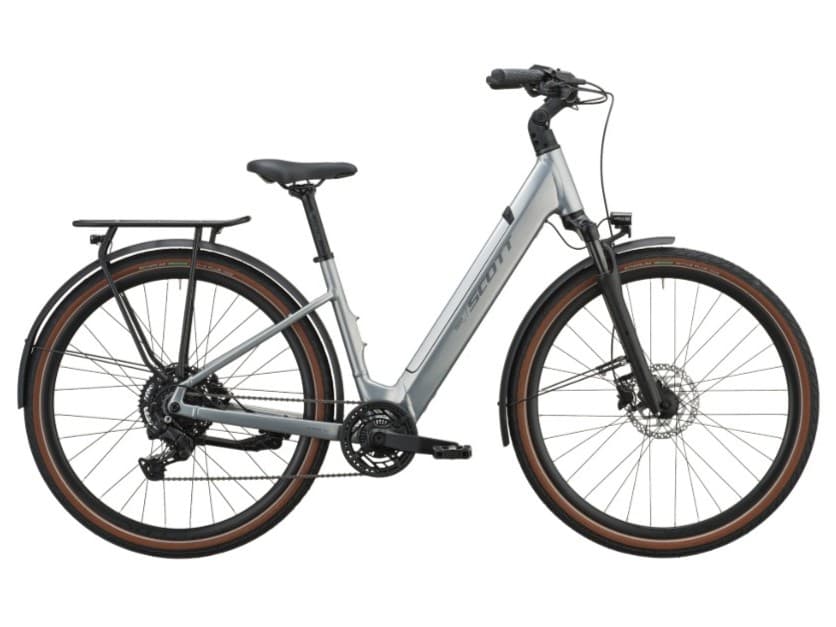
Scott Sweep 10 is the first of two Scott models featured here. It uses a rigid fork, 29-inch wheels, Shimano CUES 9-speed gearing and a 360 Wh PowerTube, with a published weight of 22 kg. The wider Sweep family also includes the suspended Sweep 20 and low-step Sweep 20 Wave.
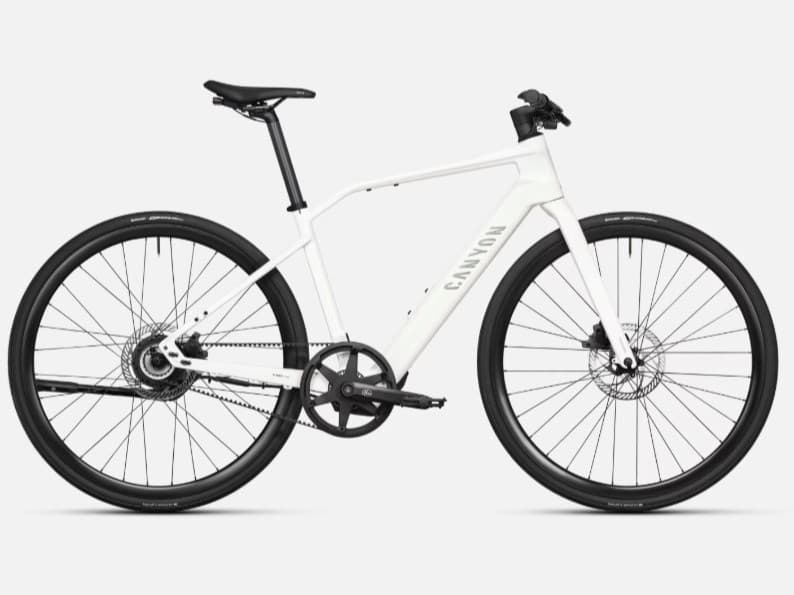
Canyon Roadlite:ON CF is the lightweight interpretation. Canyon combines Hub Line with a carbon frame, a 360 Wh battery and a single-speed Gates belt, with a published weight of 13.95 kg and a claimed range of up to 90 km.
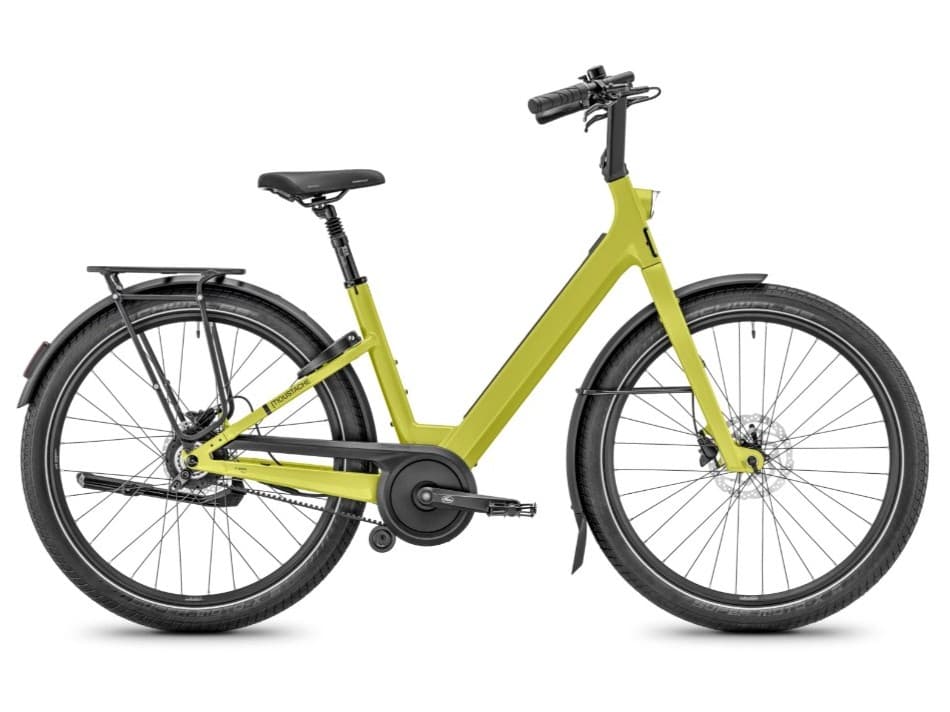
Moustache Lundi 27 Belt applies Hub Line to the brand's distinctive upright city platform. Moustache also offers Chain and Limited Edition versions, giving riders a choice between a low-maintenance belt drive and geared drivetrains within the same new-generation Lundi 27 family.
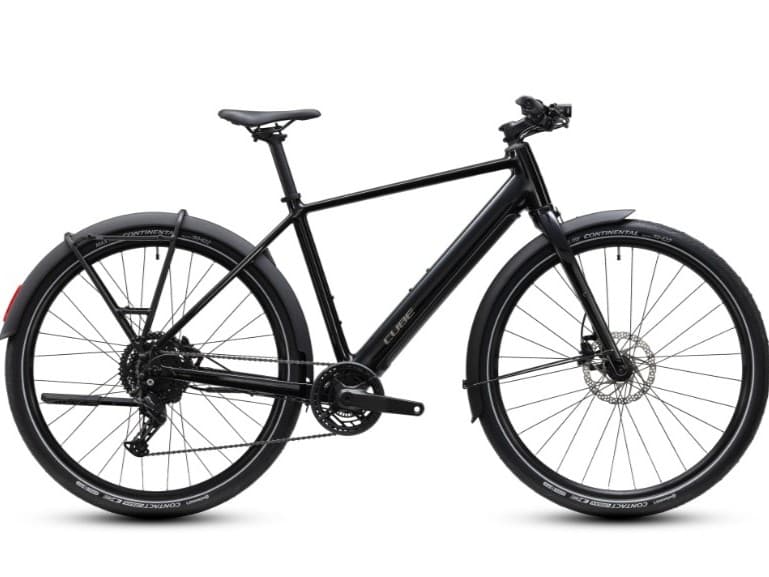
Cube Editor Hybrid ONE 360 FE pairs the motor with Shimano gearing, a rigid fork and everyday equipment including a carrier, mudguards and lights. Cube's wider Editor Hybrid 360 FE range also includes a PRO version with a Gates belt, giving the family both derailleur and single-speed interpretations.
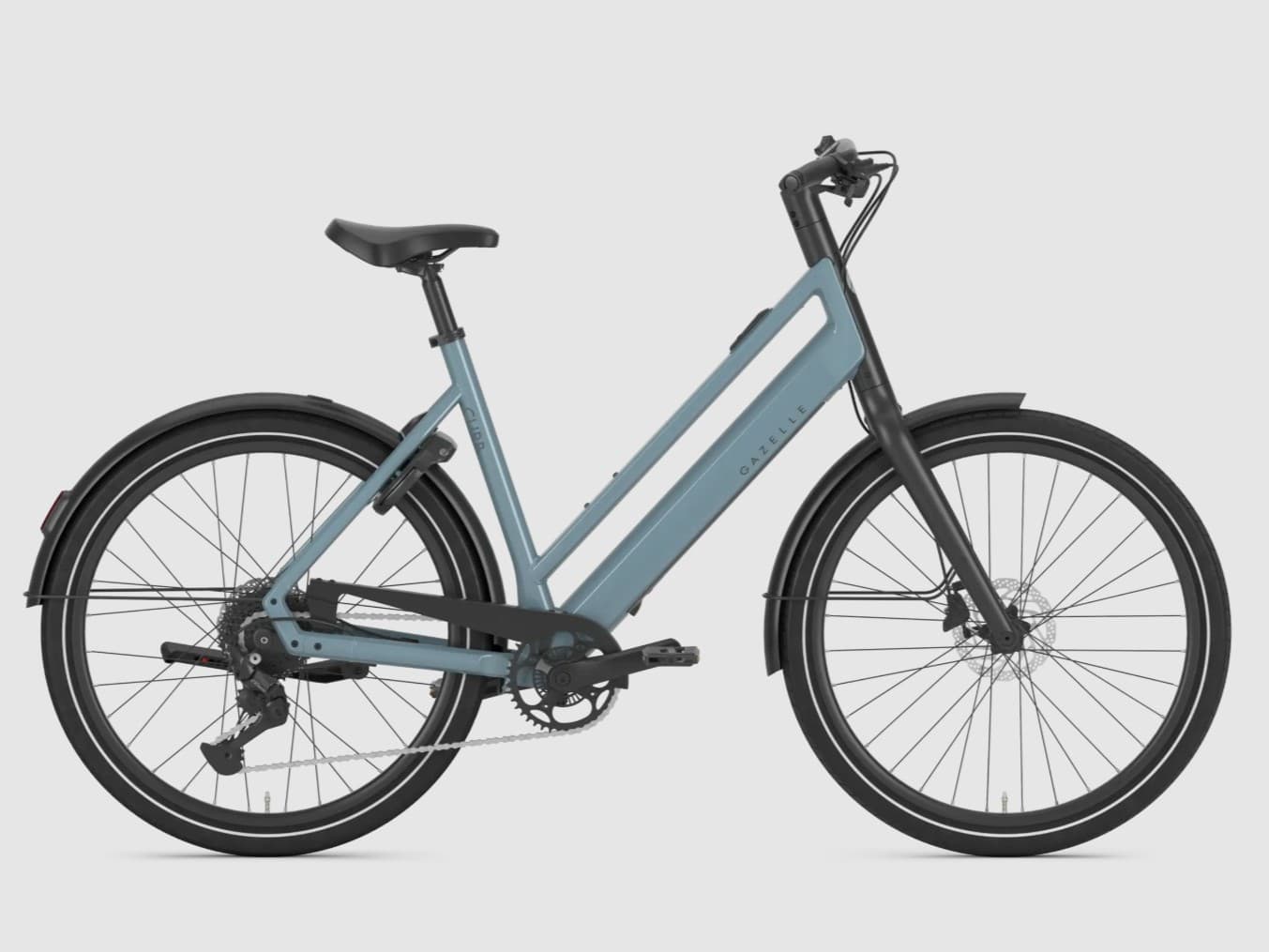
Gazelle Curb T9 brings Hub Line into a more traditional city-bike format with derailleur gearing, integrated equipment and high-step or low-step frames. The wider Curb family also includes the Curb C1, which replaces the derailleur with a single-speed belt drive while retaining the same Bosch rear-hub concept.
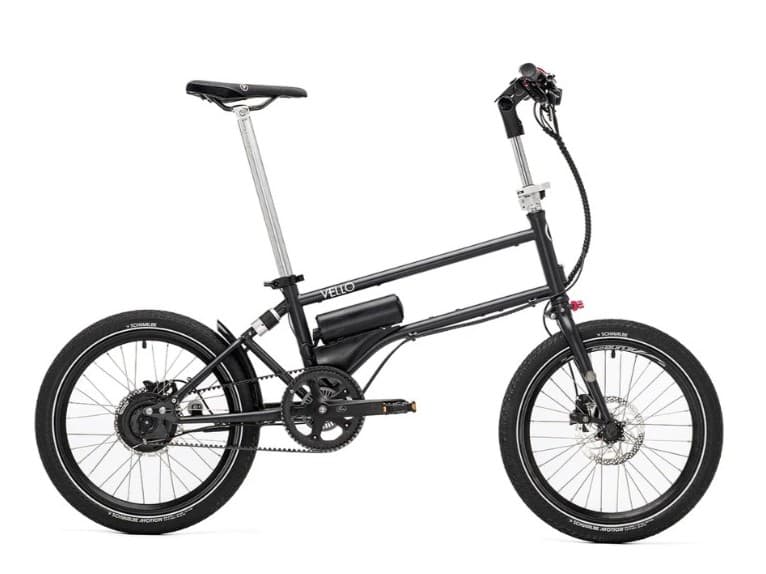
VELLO VIA+ Urban is the folding-bike outlier in the group. Its compact steel frame uses a Gates belt and 2-speed internal gearing, while the related VIA+ Tour uses a derailleur setup. VELLO also offers a second-battery option that increases total capacity from 250 Wh to 500 Wh.
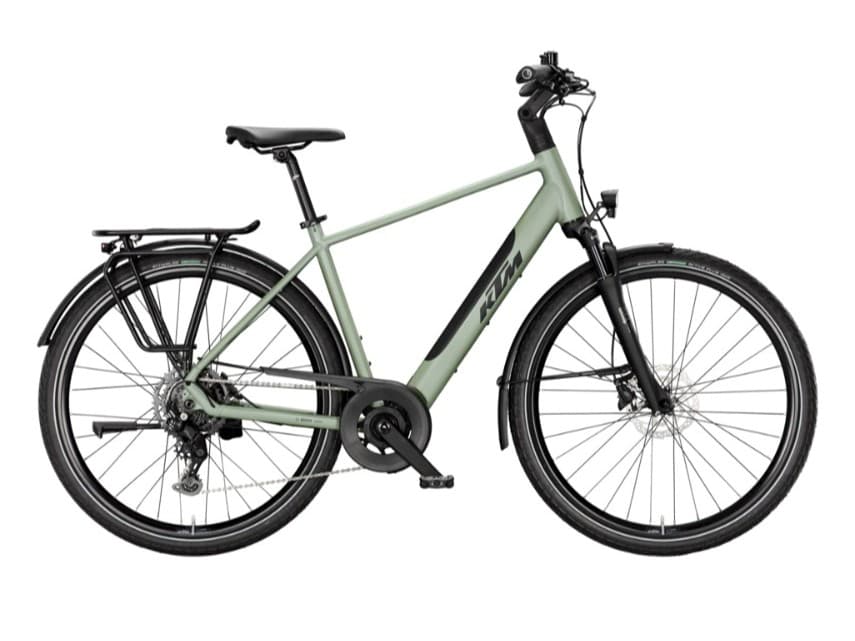
KTM Macina Joy uses Hub Line in a more conventional trekking and commuter format, with suspension, rack, mudguards, lights and Shimano CUES gearing. It is less minimalist than the Canyon or VELLO and shows that Bosch's new rear-hub system is not limited to stripped-back city bikes.
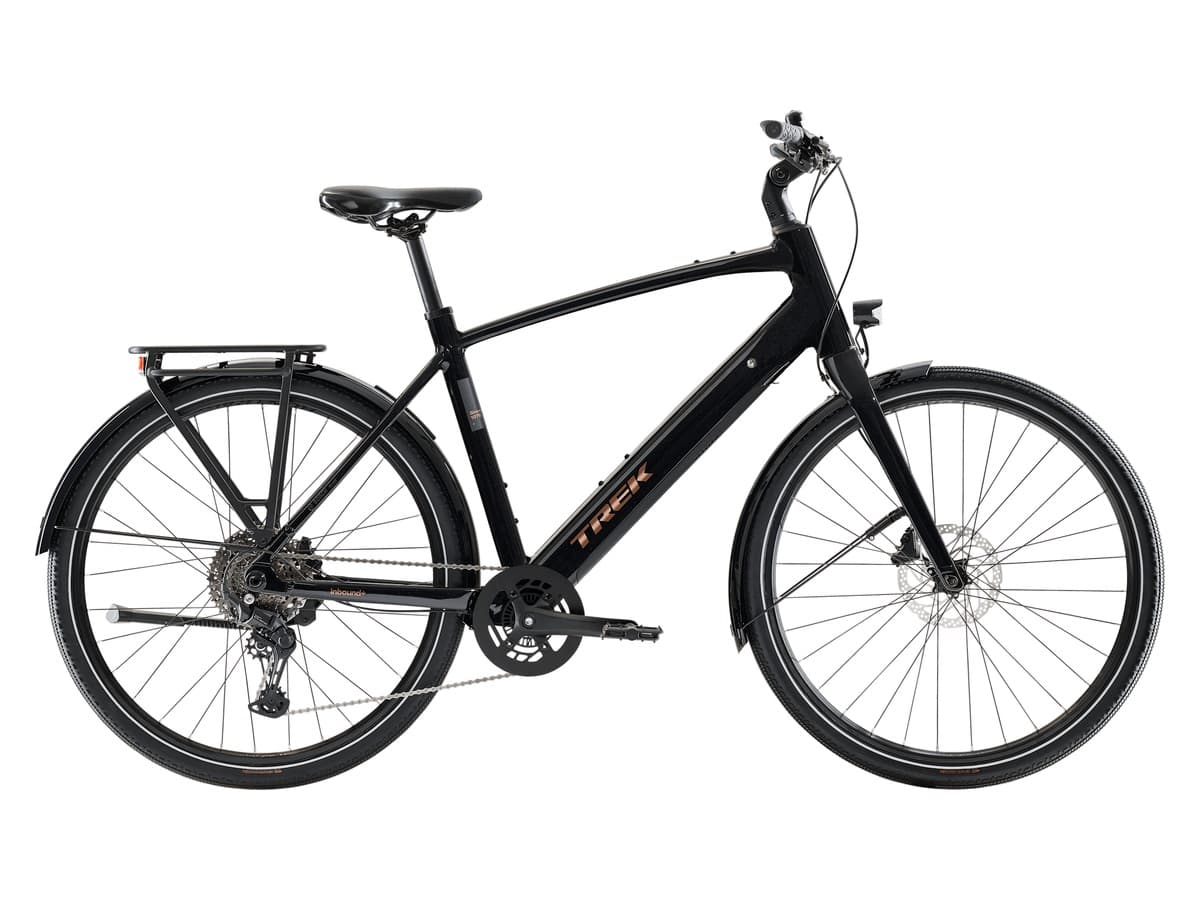
Trek Inbound+ 2 R10 sits within the broadest Hub Line family covered here. Trek's wider Inbound+ 2 range spans low-step and step-over frames, belt and derailleur drivetrains, and several battery capacities, giving the same motor different urban configurations.
Scott Sweep 20 Wave adds a low-step frame and suspension to Scott's Hub Line range. Together with the rigid Sweep 10 and standard-frame Sweep 20, it shows how one brand is using the same Bosch system across three closely related urban builds.
What the first wave of Hub Line bikes shows
The nine bikes do not point to one narrow Hub Line formula. The same 45 Nm motor appears in a sub-14 kg carbon commuter, a folding bike, upright city platforms and more fully equipped trekking-style bikes. That spread is more informative than a simple model count because it shows the architecture being used for several different types of urban riding.
Drivetrains vary just as much. Canyon uses a single-speed Gates belt, Gazelle and Moustache offer both belt and geared versions within their wider families, Cube splits the Editor Hybrid range between derailleur and belt configurations, and Trek mixes belt and derailleur options across Inbound+ variants. The hub motor drives the rear wheel independently, so bike makers can choose the rider drivetrain without routing motor power through it.
Battery strategy also varies by brand. Bosch launched Hub Line with the slim PowerTube 360, which appears on several of these bikes, while other manufacturers use different Bosch battery capacities or removable arrangements. The result is that the common motor does not make these bikes interchangeable: frame format, battery, gearing, equipment, weight and price still shape the use case.
Hub motors were already established before Bosch arrived
Bosch is entering an established rear-hub category rather than creating one. MAHLE launched its X20 system in 2022 for lightweight road, gravel and urban e-bikes, with a 1.4 kg rear-hub motor and highly integrated battery and controls. MAHLE updated the X20 in 2025 with higher stated torque and peak power while keeping the same low motor weight.
Bafang approaches the category from a much broader direction. Its current rear-motor portfolio includes numerous units for eCity, eTour, cargo and higher-powered applications, including 250W European-spec options as well as more powerful variants for other markets. Rear-hub drive is therefore already a mature architecture across both lightweight premium systems and higher-volume utility bikes.
Does Bosch narrow the old hub-versus-mid-drive divide?
Motor position has often been used as a quick way to describe e-bike character, but the distinction is becoming less useful as a proxy for market position. A mid-drive sends motor power through the bicycle drivetrain, which lets the motor use the bike's gearing. A rear-hub motor drives the wheel directly, leaving the chain or belt to carry the rider's effort rather than the motor's output.
Those architectures still have real functional differences, especially for steep climbing, heavy loads, drivetrain wear and packaging. But the new Bosch bikes sit alongside established lightweight hub systems such as MAHLE X20 and show that rear-hub drive is not confined to basic or low-cost e-bikes.
For buyers, the more useful comparison is increasingly the complete system: motor output, sensor behaviour, battery capacity, software, service support, drivetrain, weight and the type of riding the bike is designed for. Hub versus mid-drive remains important, but it does not by itself describe the quality or intended market of the finished bike.
What could Bosch Hub Line mean for direct-to-consumer e-bikes?
Rear-hub motors are already familiar across many direct-to-consumer commuter and utility e-bikes, often using suppliers such as Bafang or other hub-motor manufacturers. Bosch's arrival does not mean those bikes are being displaced: they frequently compete on different combinations of price, power, battery size, throttle availability and regional rules.
The more interesting question is whether buyer expectations around hub-drive bikes change. A shopper can now encounter the same basic rear-hub architecture on bikes from Canyon, Gazelle, Trek, Scott, Cube and other established brands while also getting Bosch-specific software, displays, battery integration and service infrastructure.
That could make motor brand, system integration and aftersales support more visible comparison points alongside raw wattage and battery size. It is too early to treat that as a market-wide shift, but Hub Line gives traditional bicycle brands another route into the lightweight urban segment without moving away from the Bosch ecosystem.
Search e-bikes by motor on Velo Index
Velo Index also lets riders narrow e-bikes by motor brand and motor type, making it possible to compare Bosch Hub Line bikes with other rear-hub systems or switch the search toward mid-drive models. That is useful here because the same Bosch motor is being used on bikes with very different frames, drivetrains and levels of equipment.
For riders comparing architectures rather than one specific bike, the related Velo Index collections include EU Premium Mid-Drive E-Bikes and US Mid-Drive E-Bikes Under $2,500. These provide a useful counterpoint to the new Hub Line models and show how price, torque, battery and equipment change when the motor moves to the centre of the bike.
What to watch next
Hub Line is still at the beginning of its product cycle. Some of the bikes above are new 2026 launches, while others sit within incoming 2027 ranges, and availability varies by country, frame and size. Specifications and local pricing on pre-launch models can still change before general availability.
The next question is not simply how many Hub Line bikes appear. It is whether Bosch keeps the motor tightly focused on lightweight urban use or expands the rear-hub family into additional torque levels, battery combinations or categories. The first nine bikes already show that manufacturers are interpreting the system in very different ways.
Velo Index has not ridden or laboratory-tested these bikes or the Hub Line motor. Specifications and range figures are manufacturer claims unless stated otherwise.
| Model | Price | Motor | Battery | Claimed range | Weight |
|---|---|---|---|---|---|
| Sweep 10 | €2,599 | Bosch Hub Line rear hub motor | 360Wh - Bosch PowerTube | — | 22 |
| Roadlite:ON CF | €2,999 | Bosch Hub Line Motor BDU306Y rear hub motor | 360Wh - Bosch PowerTube | up to 90 km | 13.95 |
| Lundi 27 (Belt) | €2,399 | Bosch Hub Line BDU30 rear hub motor | 360Wh - Bosch PowerTube | up to 70 km | 23.8 |
| Editor Hybrid One 360 FE | €1,999 | Bosch Hub Line BDU30 rear hub motor | 360Wh - Bosch PowerTube | — | 20 |
| Curb T9 (Low-Step) | €2,399 | Bosch Hub Line rear hub motor | 360Wh - Bosch Intube 36V (10Ah) | up to 92 km | 21.18 |
| VIA+ Urban | €3,290 | Bosch Hub Line BDU3061 400W rear hub motor | 250Wh | up to 108 km | 16.9 |
| Macina Joy | €2,299 | Bosch Hub Line CPT-HL4R2 400W rear hub motor | 400Wh - Bosch CompactTube | — | 23.6 |
| Inbound+ 2 R10 | €2,499 | Bosch Hub Line 250W rear hub motor | 600Wh - Bosch PowerTube | — | 22.6 |
| Sweep 20 Wave | €2,499 | Bosch Hub Line rear hub motor | 360Wh - Bosch PowerTube | — | 24.7 |
Questions
What is the Bosch Hub Line?
Hub Line is the first rear-hub motor from Bosch eBike Systems in the smart system. Launched in June 2026 for urban e-bikes, it delivers 45 Nm, weighs about 2.3 kg and fully decouples above the EU assistance limit of 25 km/h.
Which Bosch Hub Line e-bikes are shown on Velo Index?
This Discover page showcases nine EU bikes: Scott Sweep 10, Canyon Roadlite:ON CF, Moustache Lundi 27 Belt, Cube Editor Hybrid ONE 360 FE, Gazelle Curb T9, VELLO VIA+ Urban, KTM Macina Joy, Trek Inbound+ 2 R10 and Scott Sweep 20 Wave. Several brands also offer related Hub Line variants within the same family.
Why did Bosch launch a hub motor?
Bosch says Hub Line was developed specifically for urban e-bikes, with compact rear-hub integration, low system weight, support for city starts and moderate inclines, and compatibility with the Bosch smart system.
How is the Bosch Hub Line different from a mid-drive motor?
Hub Line drives the rear wheel directly. A mid-drive sends motor power through the bicycle drivetrain, so the motor can also use the bike's gearing. On a Hub Line bike, the gears help the rider manage cadence and effort but do not multiply the hub motor's torque.
Is the Bosch Hub Line a competitor to MAHLE and Bafang?
It enters the same broad rear-hub motor market, but the systems target different bikes and use cases. MAHLE has an established lightweight rear-hub platform in X20, while Bafang offers a wide range of rear motors across city, touring, cargo and higher-powered applications. Bosch differentiates Hub Line through its urban focus and integration with the Bosch smart system.
Can I search Velo Index by motor brand or motor type?
Yes. Velo Index can be used to narrow e-bikes by motor brand and motor type, then compare the full bike specification rather than motor output alone. The cards on this page can also be opened to view the complete indexed specifications for each featured Hub Line bike.
Sources
- 1.Hub Line: Smart and agile drive unit for use in the city Bosch eBike Systems. Accessed September 22, 2026. Supports: Bosch enters the hub-motor market.
- 2.The wait was worth it: Bosch eBike Systems launches first hub motor Bosch eBike Systems. Accessed September 22, 2026. Supports: Bosch enters the hub-motor market.
- 3.Canyon Roadlite:ON CF EU Product Page Canyon. Accessed September 21, 2026. Supports: Nine new Bosch Hub Line e-bikes on Velo Index.
- 4.Gazelle Curb Range Gazelle. Accessed September 22, 2026. Supports: Nine new Bosch Hub Line e-bikes on Velo Index.
- 5.Moustache Lundi 27 Range Moustache Bikes. Accessed September 22, 2026. Supports: Nine new Bosch Hub Line e-bikes on Velo Index.
- 6.Cube 2027 Range Announcement Cube. Accessed September 22, 2026. Supports: Nine new Bosch Hub Line e-bikes on Velo Index.
- 7.VELLO VIA+ Urban Product Page VELLO BIKE. Accessed September 21, 2026. Supports: Nine new Bosch Hub Line e-bikes on Velo Index.
- 8.KTM Macina Joy EU Product Page KTM Fahrrad. Accessed September 21, 2026. Supports: Nine new Bosch Hub Line e-bikes on Velo Index.
- 9.Trek Inbound+ Range Trek Bicycle. Accessed September 22, 2026. Supports: Nine new Bosch Hub Line e-bikes on Velo Index.
- 10.Scott Sweep Range Scott Sports. Accessed September 22, 2026. Supports: Nine new Bosch Hub Line e-bikes on Velo Index.
- 11.MAHLE SmartBike Systems unlocks more torque and power for X20 MAHLE. Accessed September 22, 2026. Supports: Hub motors were already established before Bosch arrived.
- 12.BAFANG H-Series Rear Motors BAFANG. Accessed September 22, 2026. Supports: Hub motors were already established before Bosch arrived.
Specifications are manufacturer-published figures. Sources are editorial references and carry no commercial relationship.
Related collections
Not sure which model fits you?
Use the E-Bike Finder